Our Philosophy

Academic Philosophy

The challenges of today are complex, interconnected and constantly evolving. Mental health education must move beyond conventional boundaries to prepare professionals who can think critically, act ethically and create meaningful impact in real-world settings — expanding perspectives, deepening competence and strengthening our responsibility towards society.

Understanding Modern Human Behaviour

Contemporary mental health education must equip learners to understand the complexities of human behaviour in a rapidly changing society.

Bridging Theory and Practice

Knowledge becomes meaningful when it is applied. Education must integrate theoretical rigour with practical exposure to prepare confident and capable professionals.

Ethics in Professional Practice

Ethical awareness is the foundation of trust. Education must cultivate integrity, empathy, responsibility and respect for every individual and community we serve.

Research and Innovation

Advancing behavioural science requires curiosity, inquiry and innovation. Education must encourage research thinking and contribute to evidence-based solutions.

Community-Centred Learning

True learning extends beyond the classroom. Engaging with communities allows future professionals to understand real needs and create lasting impact.

Academic Leadership

Board of Studies

The Board of Studies provides academic leadership by shaping educational standards, guiding curriculum development, and promoting excellence in mental health education and professional training.
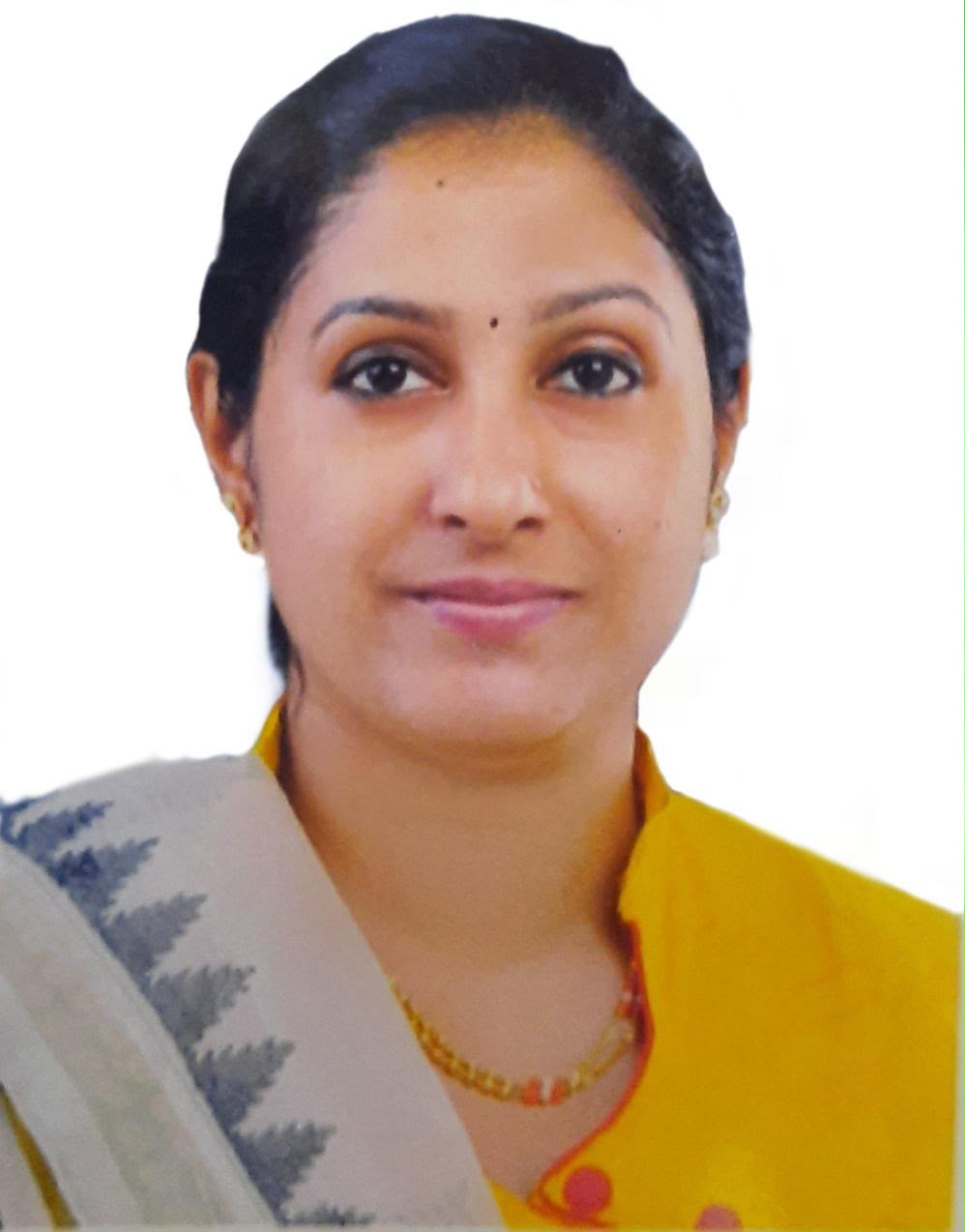
Dr. Swapna Cherian

Dr. Swapna Cherian

Clinical Psychologist

Dr. Swapna Cherian is a Clinical Psychologist with extensive experience in mental health care, psychological assessment, and therapeutic support...
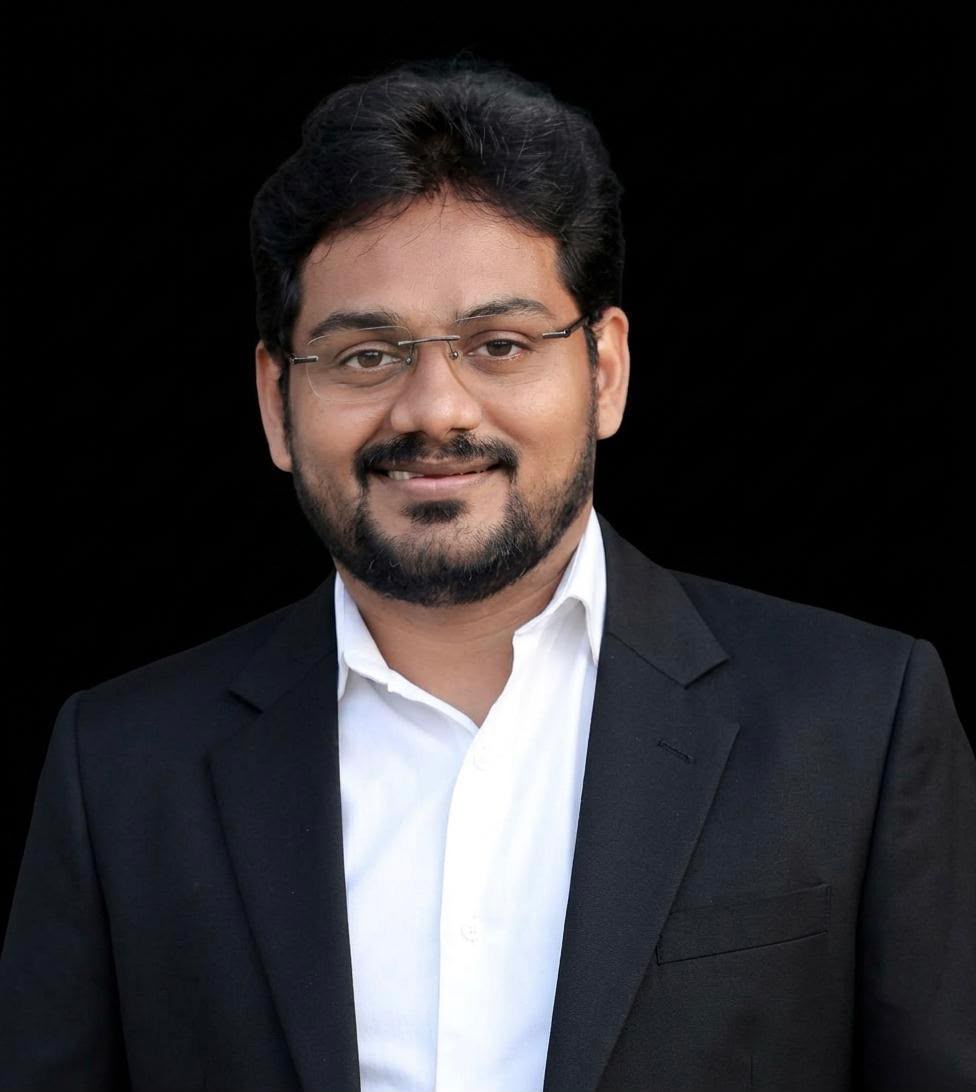
Dr. Soney Thomas Olickan, PhD

Dr. Soney Thomas Olickan, PhD

Clinical Psychologist

Dr. Soney Thomas Olickan, PhD, is a Clinical Psychologist, CBT-based Psychotherapist, mental health trainer, and adolescent mentor...
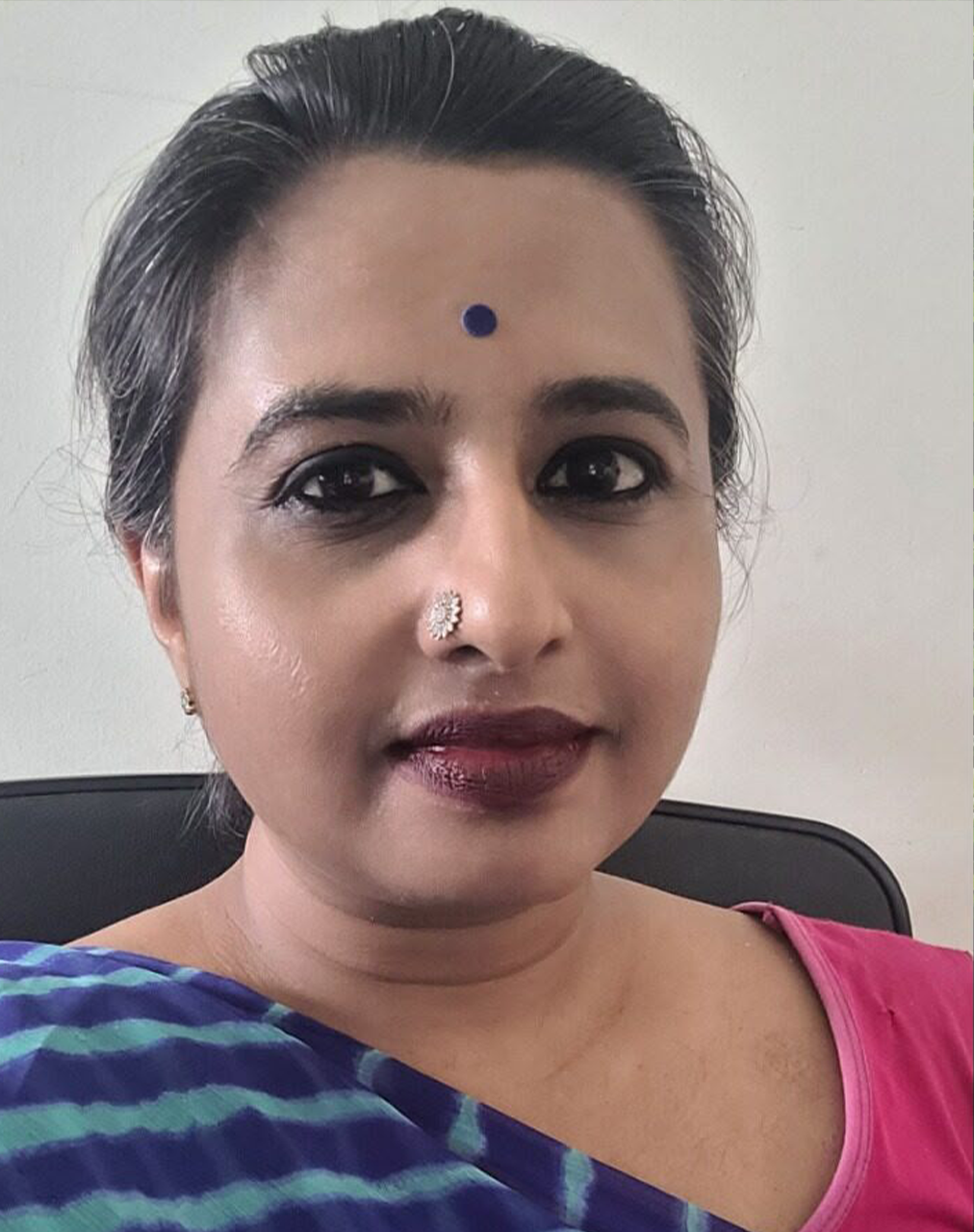
Dr. Seema Girija Lal

Dr. Seema Girija Lal

Mental Health, Disability & Education Consultant

Dr. Seema Girija Lal, PhD, is a mental health, disability, and education consultant and trainer with over 25 years of professional experience in India and the UAE.
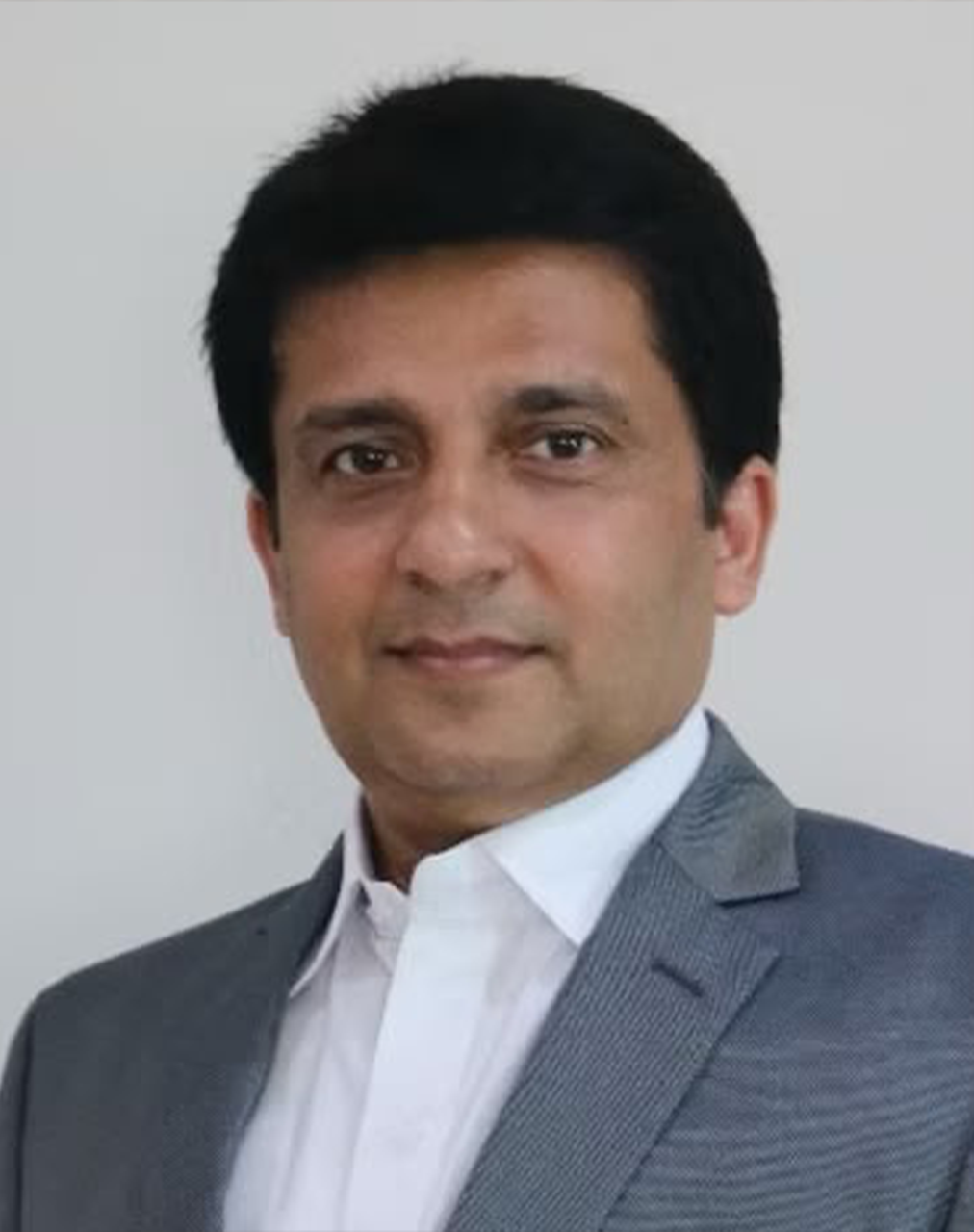
Dr. Safarulla NVM

Dr. Safarulla NVM

Behavioural Consultant & Researcher

Dr. Safarulla NVM, PhD, is a behavioural consultant, academic, researcher, and mental health professional with over a decade of experience in psychology, clinical practice, and academic leadership.
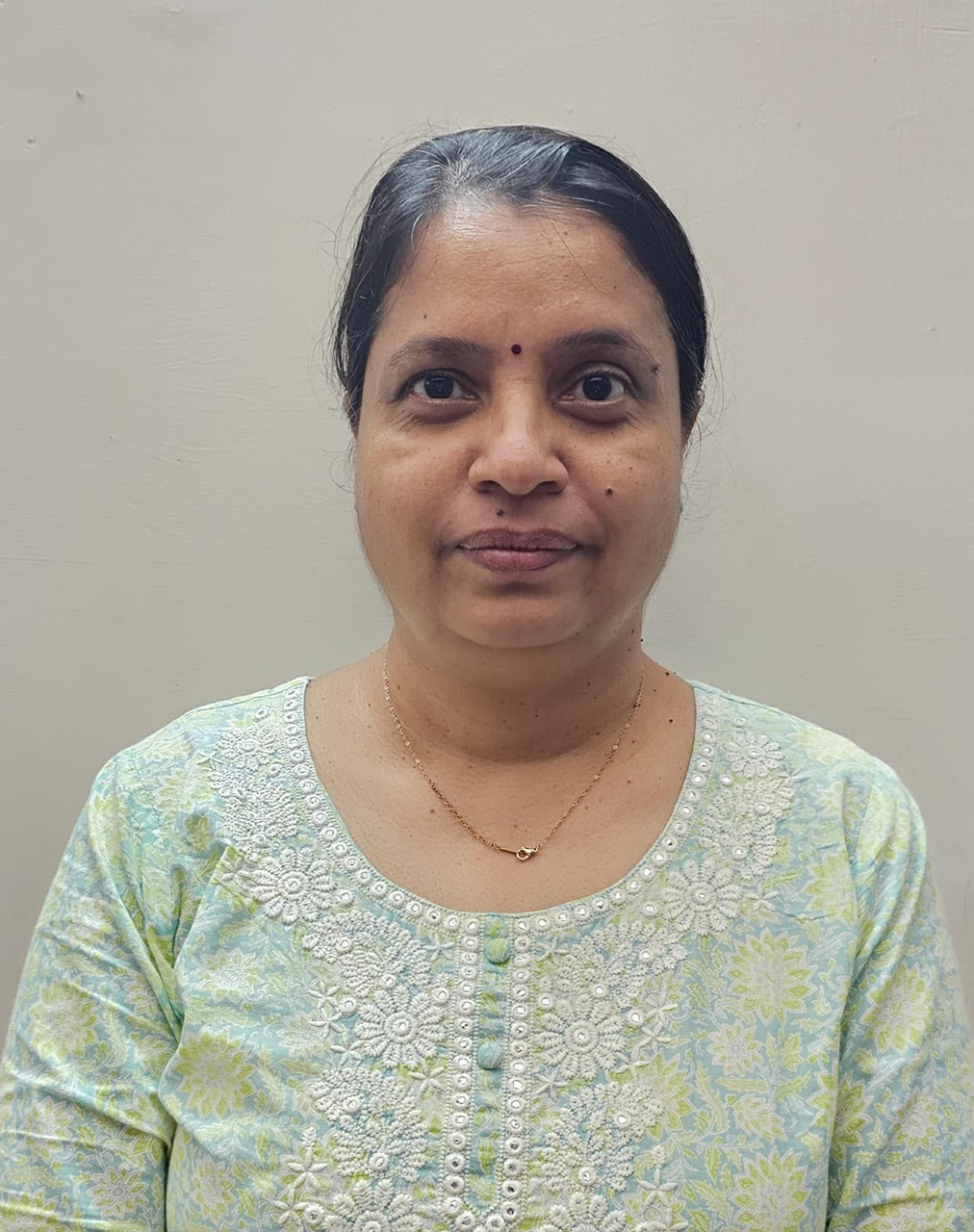
Sophia C. Albert

Sophia C. Albert

Clinical Psychologist

Sophia C. Albert is a Clinical Psychologist and mental health professional with extensive experience in clinical practice, counselling, psychological assessment, and inclusive education.
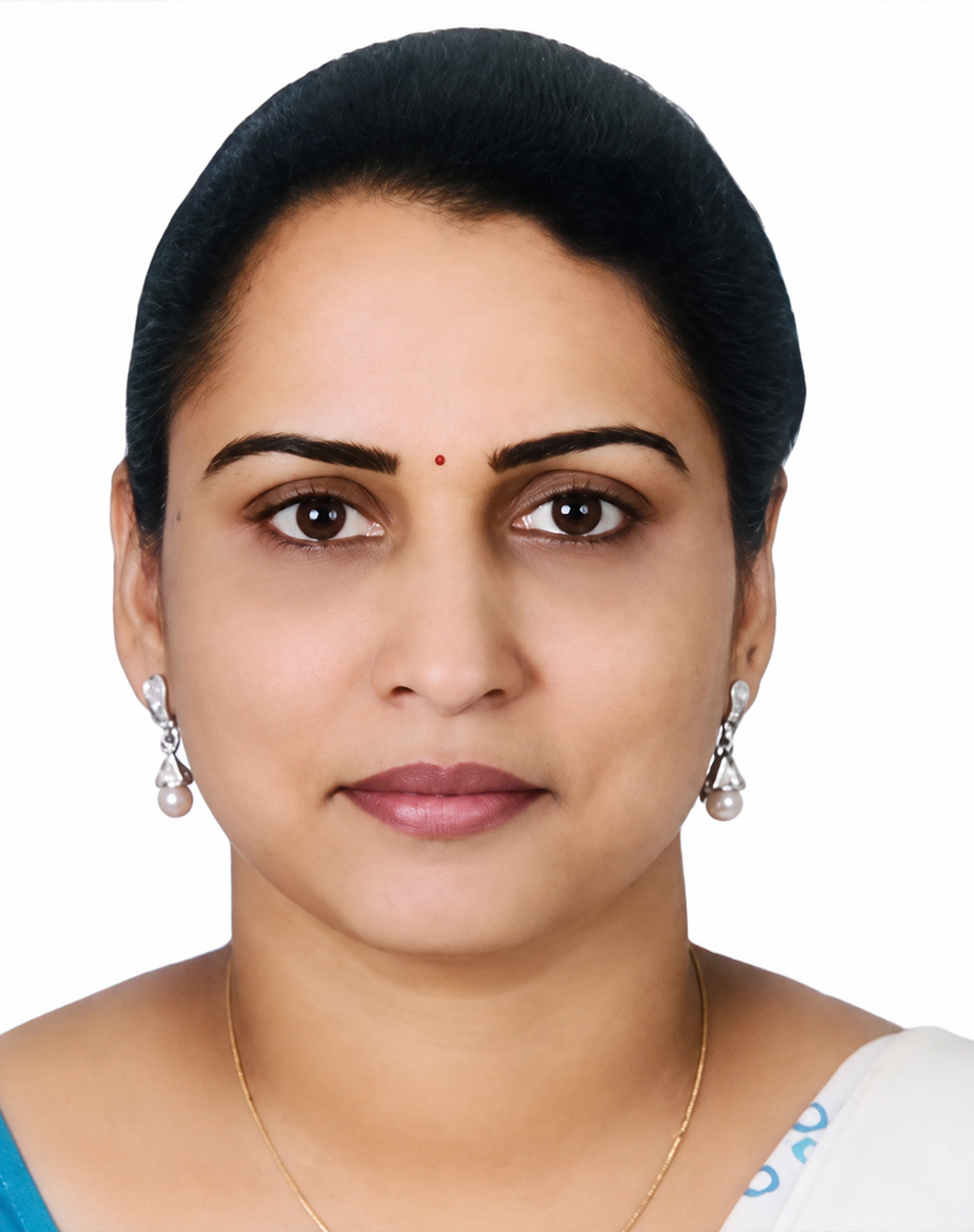
Dr. Jessy John

Dr. Jessy John

Academic & Researcher

Dr. Jessy John, PhD, is an accomplished academic and researcher with expertise in Human Resource Management, Organisational Behaviour, life skills, and behavioural research.
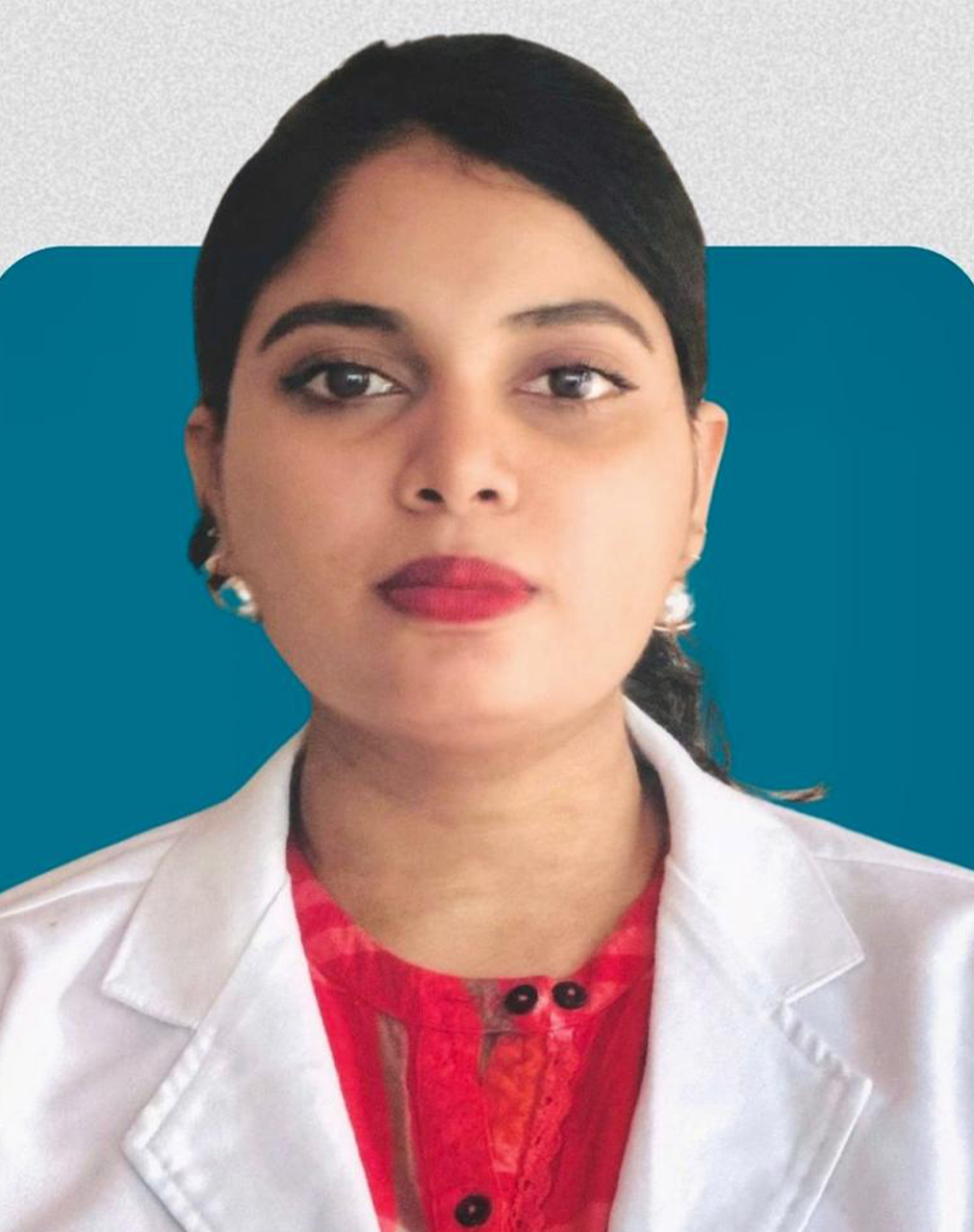
Sreelakshmi V. P

Sreelakshmi V. P

Licensed Clinical Psychologist

Sreelakshmi V. P is a Licensed Clinical Psychologist with experience in psychological assessment, psychotherapy, counseling, and rehabilitation.

Our Programmes & Courses

Academic Programmes

ACMHANS supports structured learning pathways in psychology and mental health through university collaborations, professional programmes, practical training, and specialised certificate courses. Click a programme below to view its overview, objectives, learning outcomes, eligibility and duration.

PG Diploma Courses

Duration: 1 Year
Counselling Psychology

Overview: A foundational postgraduate programme covering the theories, techniques and ethical practice of counselling psychology, preparing learners to support individuals through a range of emotional and psychological concerns.

Objectives: To build core competencies in counselling theory, therapeutic communication, assessment and case conceptualisation, grounded in ethical and evidence-based practice.

Learning Outcomes: Graduates will be able to apply core counselling approaches, conduct structured client sessions, and work under supervision in clinical and community settings.

Eligibility: Graduate degree in Psychology or a related discipline (as per university eligibility norms).

Duration: 1 Year

Clinical Psychology

Overview: An advanced programme focused on the assessment, diagnosis and treatment of psychological disorders, combining academic study with supervised clinical exposure.

Objectives: To develop competence in psychological assessment, diagnostic formulation and evidence-based intervention across common mental health conditions.

Learning Outcomes: Graduates will be equipped to administer psychological assessments, support diagnostic processes, and assist in structured treatment planning under clinical supervision.

Eligibility: Graduate degree in Psychology or a related discipline (as per university eligibility norms).

Duration: 1 Year

Psychotherapeutic Practices and Modalities

Overview: A comprehensive overview of major psychotherapeutic approaches, examining their theoretical foundations, techniques and appropriate clinical applications.

Objectives: To familiarise learners with diverse psychotherapy modalities and build the practical skill to select and apply approaches suited to different client needs.

Learning Outcomes: Graduates will be able to compare therapeutic modalities, apply core techniques across approaches, and integrate modality-specific skills into practice.

Eligibility: Graduate degree in Psychology or a related discipline (as per university eligibility norms).

Duration: 1 Year

Cognitive Behavioral Therapy

Overview: A focused programme on Cognitive Behavioural Therapy (CBT), covering its theoretical basis, structured techniques and application to anxiety, depression and related conditions.

Objectives: To build practical proficiency in CBT case formulation, structured session planning, and evidence-based cognitive and behavioural techniques.

Learning Outcomes: Graduates will be able to conduct CBT-based case formulation, apply core cognitive and behavioural techniques, and structure therapy sessions under supervision.

Eligibility: Graduate degree in Psychology or a related discipline (as per university eligibility norms).

Duration: 1 Year

Counselling and Psychotherapy

Overview: An integrative programme bridging counselling and psychotherapy practice, covering therapeutic relationship-building, intervention planning and ethical case management.

Objectives: To strengthen learners' ability to combine counselling and psychotherapeutic techniques in structured, ethically grounded client work.

Learning Outcomes: Graduates will be able to build therapeutic rapport, plan and deliver structured interventions, and manage cases in line with professional ethics.

Eligibility: Graduate degree in Psychology or a related discipline (as per university eligibility norms).

Duration: 1 Year

Child Psychology

Overview: A specialised programme examining child development, behavioural and emotional concerns in children, and age-appropriate assessment and intervention approaches.

Objectives: To build understanding of developmental psychology and equip learners with practical skills for supporting children's emotional and behavioural well-being.

Learning Outcomes: Graduates will be able to identify developmental and behavioural concerns in children, apply age-appropriate assessment tools, and support family-centred intervention.

Eligibility: Graduate degree in Psychology or a related discipline (as per university eligibility norms).

Duration: 1 Year

Hypnotherapy and Clinical Hypnosis

Overview: A specialised programme introducing the principles and clinical applications of hypnotherapy, covering induction techniques, therapeutic use and ethical safeguards.

Objectives: To develop foundational competence in clinical hypnosis techniques and their responsible integration into therapeutic practice.

Learning Outcomes: Graduates will be able to apply core hypnotherapy techniques, understand appropriate clinical indications, and practise within recognised ethical guidelines.

Eligibility: Graduate degree in Psychology or a related discipline (as per university eligibility norms).

Duration: 1 Year

Digital Mental Health and AI Integrated Psychotherapy

Overview: An emerging-practice programme exploring the intersection of technology and mental health care, including digital therapeutics, teletherapy and AI-assisted psychotherapeutic tools.

Objectives: To prepare learners to responsibly integrate digital tools and AI-assisted approaches into psychotherapeutic practice while upholding clinical and ethical standards.

Learning Outcomes: Graduates will be able to evaluate digital mental health tools, apply teletherapy best practices, and use AI-assisted resources responsibly within therapeutic work.

Eligibility: Graduate degree in Psychology or a related discipline (as per university eligibility norms).

Duration: 1 Year

Diploma Courses

Duration: 6 Months
Cognitive Behavioral Therapy

Overview: A focused, application-oriented diploma introducing the core principles and structured techniques of Cognitive Behavioural Therapy for common emotional and behavioural concerns.

Objectives: To build working proficiency in CBT techniques and structured session planning within a shorter, practice-focused format.

Learning Outcomes: Graduates will be able to apply foundational CBT techniques, structure short-term intervention plans, and support clients under supervision.

Eligibility: Graduate degree in Psychology or a related discipline (as per university eligibility norms).

Duration: 6 Months

De-Addiction and Substance Use Counselling

Overview: A focused diploma addressing the psychological, behavioural and social dimensions of substance use, covering assessment, counselling techniques and relapse prevention.

Objectives: To build practical competence in screening, counselling and supporting individuals and families affected by substance use concerns.

Learning Outcomes: Graduates will be able to conduct substance-use screening, apply counselling techniques for de-addiction support, and contribute to relapse-prevention planning.

Eligibility: Graduate degree in Psychology, Social Work or a related discipline (as per university eligibility norms).

Duration: 6 Months

Certificate Courses

Duration: 3 Months
Couple Therapy

Overview: A certificate programme focused on the dynamics of couple relationships, covering communication patterns, conflict resolution and evidence-based couple therapy techniques.

Objectives: To equip learners with core skills in assessing relationship dynamics and applying structured couple-therapy techniques.

Learning Outcomes: Graduates will be able to assess relational patterns, apply core couple-therapy techniques, and support clients through structured relationship-focused sessions.

Eligibility: Graduate degree in Psychology or a related discipline, or relevant professional experience (as per university eligibility norms).

Duration: 3 Months

Parenting

Overview: A certificate programme on child-rearing psychology, covering parenting styles, child development and evidence-based strategies for supporting healthy parent-child relationships.

Objectives: To build practical knowledge of parenting approaches and equip learners to guide families toward supportive, developmentally appropriate parenting practices.

Learning Outcomes: Graduates will be able to guide parents on developmentally appropriate practices, identify common parenting challenges, and recommend supportive strategies.

Eligibility: Graduate degree in Psychology or a related discipline, or relevant professional experience (as per university eligibility norms).

Duration: 3 Months

Partnerships

University Partners

ACMHANS works with university partners to support mental health education, professional training, research, practical learning, and mental health capacity-building.
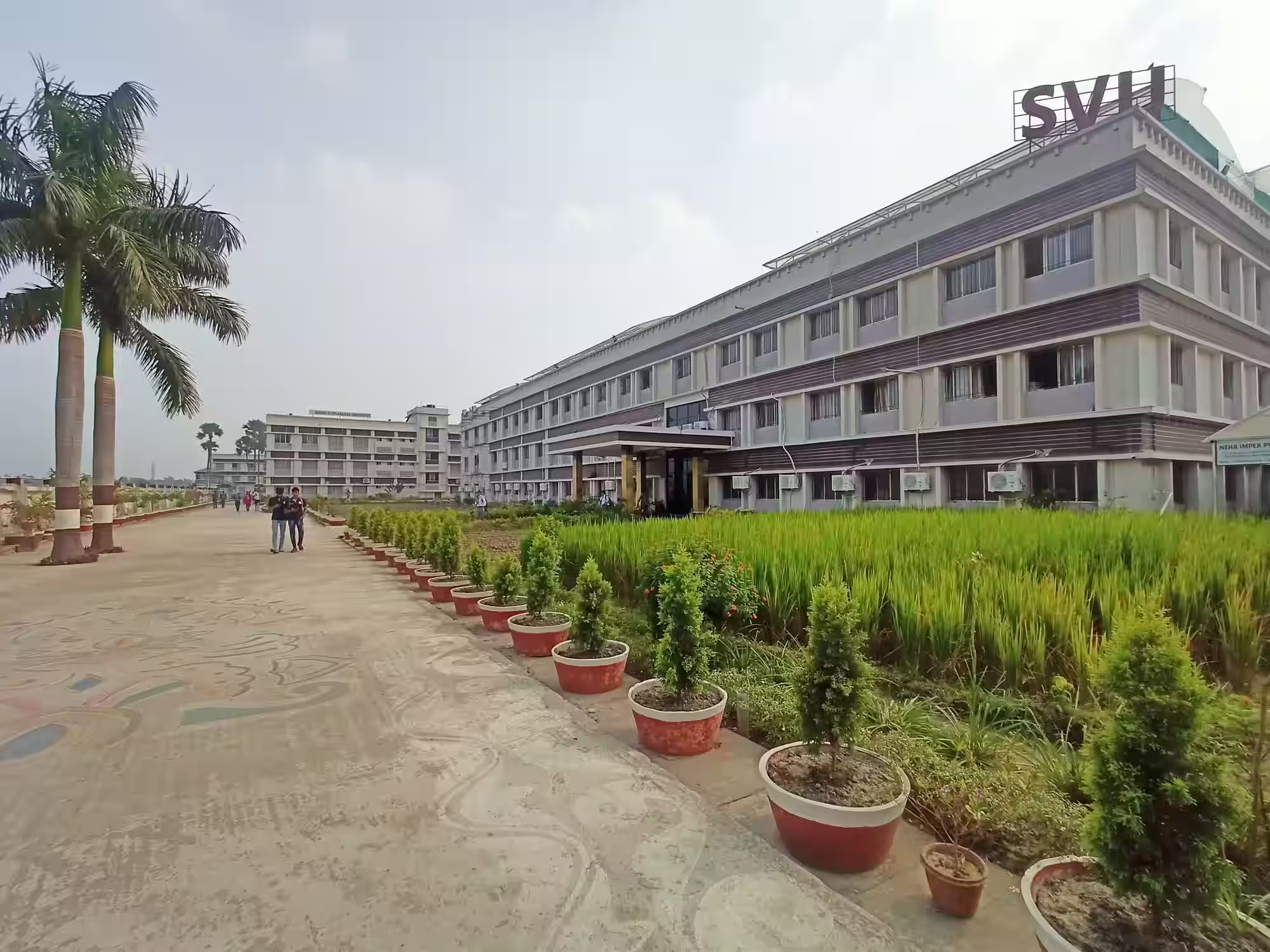
Swami Vivekanand University (SVU), Assam

Swami Vivekanand University (SVU), Assam

Academic collaboration in mental health education, professional development, research, counselling competencies, and mental health capacity-building.

Programme availability, duration, eligibility, delivery mode, admissions, assessment, and certification are subject to the approval and regulations of the university and applicable statutory requirements.